With the return of fall comes the return of seasonal sports for kids and teens—football, soccer, field hockey, volleyball, and more. You expect the high energy and physicality that come with these activities, but what you may not have on your fall sports bingo card is watching your child suffer a serious dental injury on the field or court.
Unfortunately, sports-related dental injuries can happen in an instant. Knowing how to recognize a dental emergency and respond appropriately can make a stressful situation easier to manage. The experienced team at Emergency Dental Services is here to help you understand what to do when an unexpected injury occurs.
Common Dental Injuries From Fall Sports
Accidents can happen frequently during athletic activities, particularly in contact and collision sports. A hard impact from another player, a ball, sports equipment, or a fall can result in several types of oral injuries.
Some of the most common sports-related dental injuries include:
- Chipped or fractured teeth
- Cracked teeth
- Knocked-out teeth
- Loose or displaced teeth
- Soft-tissue injuries, including cuts to the lips, cheeks, tongue, and gums
Football, soccer, and field hockey can carry a higher risk of dental trauma because of the physical contact and fast-paced nature of these sports. However, an injury can occur in virtually any athletic activity.
What to Do After a Sports-Related Dental Injury
When a dental injury occurs, staying calm is the first step. Begin by assessing the situation and determining whether there is significant facial trauma or uncontrolled bleeding. If either is present, seek appropriate medical attention immediately.
For a chipped or broken tooth, try to locate and preserve any tooth fragments. Keep them in a clean container and bring them with you when seeking dental care.
If a permanent tooth is knocked out, handle it carefully by the crown—the portion of the tooth that is normally visible in the mouth. Avoid touching the root. If the tooth is dirty, gently rinse it with water without scrubbing or removing any attached tissue. If possible, place the tooth in milk or another appropriate storage solution while seeking immediate dental care.
When is a Dental Injury a Dental Emergency?
Not every sports-related injury will require emergency treatment, but certain symptoms should never be ignored. Seek prompt dental care if your child experiences:
- A knocked-out permanent tooth
- Severe or persistent tooth pain
- A significantly loose or displaced tooth
- A large fracture or broken tooth
- Significant swelling
- Persistent bleeding
- Damage to a crown, filling, or other dental restoration
- Signs of infection following an injury
If you’re unsure whether an injury requires immediate attention, contacting a dental professional can help you determine the appropriate next steps. It’s better to have a dental injury evaluated than to overlook a problem that could become more serious.
How Athletes Can Prevent Dental Injuries
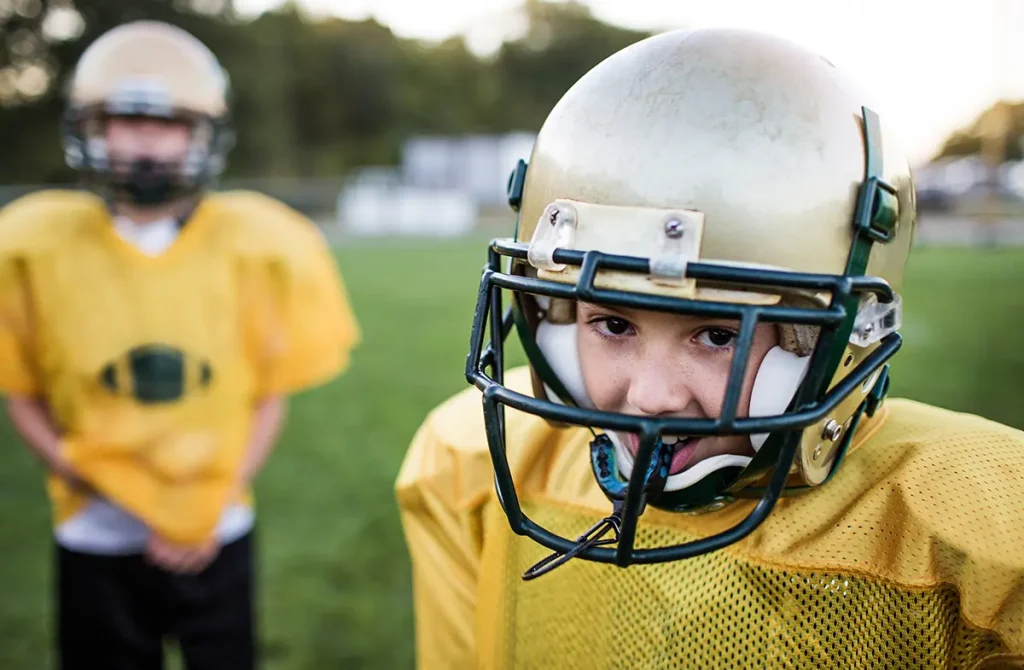
While accidents cannot always be avoided, athletes can take precautions to reduce their risk of dental trauma. One of the most effective ways to protect the teeth during contact and collision sports is to wear a properly fitted mouthguard. They provide a protective barrier between the teeth and surrounding soft tissues and can help absorb some of the force from an impact. Athletes should wear their mouthguards consistently during both practices and games—not just during competition.
Parents should also check their child’s mouthguard regularly. A mouthguard that is damaged, worn, or no longer fits properly may not provide adequate protection and should be replaced.
Emergency Dental Care
At Emergency Dental Services, we provide 24/7 emergency dental care when you need it most. If your child experiences a sports-related dental injury, our team is here to provide fast, compassionate care. Contact us today if you or a loved one is suffering from a dental emergency.